🎓 From Classrooms to Careers: Bridging the Gap for Future-Ready Learners
Education is more than passing exams — it’s about preparing learners for life beyond the classroom. Yet, many students struggle to connect what they learn in school with the realities of the workplace. At QPoint Education, we believe in closing this gap by building clear pathways from classrooms to careers.
🌍 Why the Gap Exists
Traditional education often focuses heavily on academic achievement, while industries demand practical skills, adaptability, and problem-solving. This mismatch can leave graduates underprepared for fast-changing job markets.
🚀 Building Career-Relevant Learning
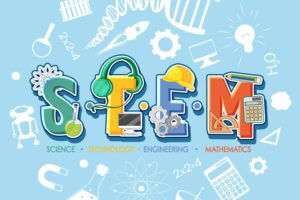
By integrating STEM, digital literacy, AI, and 21st-century skills into the curriculum, we help students see the relevance of their studies. Real-world projects, coding programs, and hands-on activities ensure that knowledge is not only learned but also applied.
🤝 Collaboration Between Education and Industry
Partnerships with businesses, ministries, and professional bodies are essential. Internships, industry-driven projects, and mentorship programs expose students to workplace expectations early, giving them a head start in building employability skills.
🎯 Guiding Learners Towards Their Future
Career guidance must start in school, not after graduation. With structured support, learners can explore career options, understand their strengths, and make informed choices about their futures. This approach creates confident graduates ready to contribute meaningfully to society.
✅ Conclusion
The journey from classrooms to careers is not automatic — it must be intentionally designed. With curriculum innovation, industry collaboration, and career-focused learning, we can empower students to transition smoothly into the workforce and thrive in the global economy.
At QPoint Education, we are committed to creating this bridge, ensuring every learner’s education becomes a launchpad for lifelong success.